Toor Dal
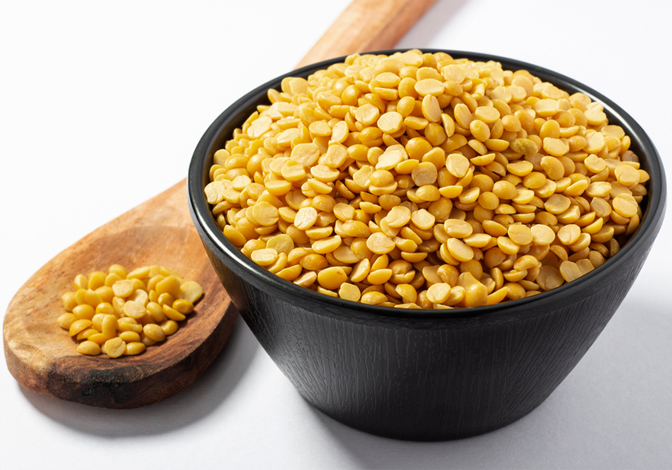
Toor dal, derived from the legume Cajanus cajan, is one of the most important pulses in Indian agriculture and cuisine, valued for both its nutritional richness and adaptability to semi-arid climates. The crop is drought-resistant and widely cultivated across regions like Maharashtra, Karnataka, and Uttar Pradesh, playing a key role in sustainable farming systems due to its ability to fix nitrogen in the soil and improve fertility. Nutritionally, toor dal is an excellent source of plant-based protein, complex carbohydrates, dietary fiber, and essential micronutrients such as iron, potassium, magnesium, and B vitamins, particularly folate, making it crucial in vegetarian diets. It has a low glycemic index, which helps regulate blood sugar levels, and its high fiber content supports digestive health and cardiovascular function. In culinary use, toor dal is incredibly versatile—pressure-cooked until soft and then tempered with spices, it forms the base of traditional dishes like sambar in South India and varan or amti in Maharashtra. Beyond everyday meals, it is also processed into flour or used in ready-to-cook mixes
Moong Dal
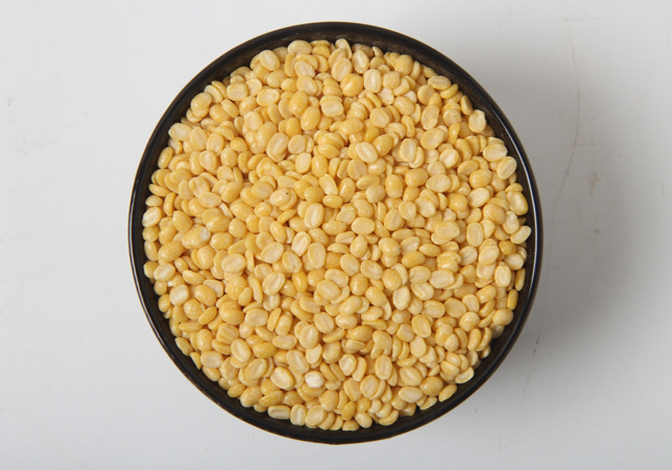
Moong dal, obtained from the legume Vigna radiata, is one of the most nutritious and easily digestible pulses widely consumed in India and across Asia. It is typically available as split yellow dal (with the skin removed) or whole green moong, and both forms are valued for their mild flavor and versatility. Moong dal is rich in high-quality plant protein, complex carbohydrates, and dietary fiber, while also providing essential vitamins and minerals such as folate, magnesium, potassium, iron, and B vitamins. Its low fat content and low glycemic index make it particularly beneficial for people managing weight, diabetes, and heart health. One of its standout features is its digestibility compared to other lentils, making it suitable for children, the elderly, and those recovering from illness. Agriculturally, the mung bean plant grows quickly, requires relatively less water, and contributes to soil fertility through nitrogen fixation, supporting sustainable farming practices. In cooking, moong dal is used in a wide variety of dishes, including dal, khichdi, soups, dosa batter, and even sweets like moong dal halwa. It can also be sprouted, which enhances its vitamin C content and overall nutrient availability.
Masoor Dal
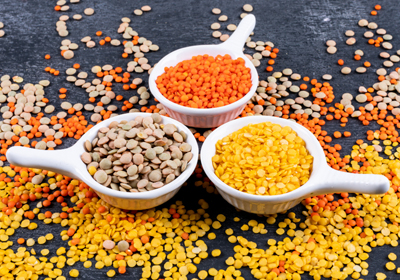
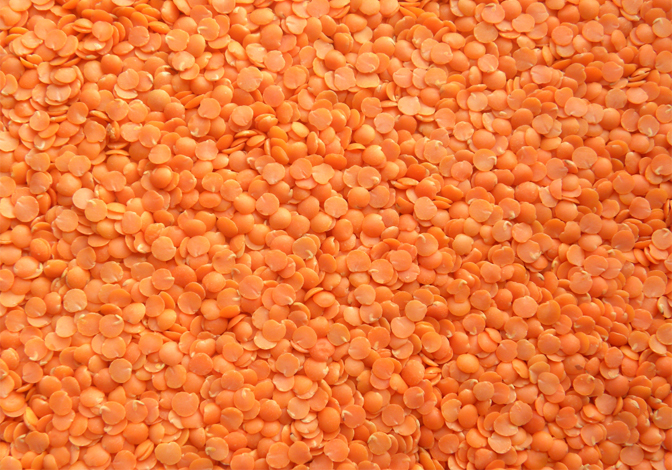
Masoor dal, derived from the legume Lens culinaris, is a highly nutritious and widely consumed pulse known for its quick cooking time and earthy flavor. It is commonly available as whole brown lentils or split red lentils (with the outer skin removed), the latter being especially popular in Indian kitchens due to its soft texture when cooked. Nutritionally, masoor dal is rich in plant-based protein, complex carbohydrates, and dietary fiber, along with essential micronutrients such as iron, folate, potassium, magnesium, and B vitamins. Its high iron content makes it particularly beneficial for preventing anemia, while its fiber supports digestive health and helps regulate cholesterol levels. Masoor dal also has a relatively low glycemic index, making it suitable for people managing blood sugar levels. Agriculturally, the lentil plant is hardy and can grow in a range of soil types, contributing to sustainable farming through nitrogen fixation that enhances soil fertility. In culinary use, masoor dal is extremely versatile—it is used in soups, stews, curries, and traditional Indian dal preparations, as well as in salads and international dishes. Its ability to cook quickly without soaking makes it convenient for everyday meals.